

Everything Worth Knowing Before You Arrive
Having your portrait taken isn't something most people do very often, so it's perfectly natural to have a few questions before your session.
You may be wondering what to wear, whether you should have a haircut, how many outfits to bring, or what actually happens during a session with me Some people are excited, others might be nervous, and a lot of my guests feel a little of both.
This guide answers the questions I hear most often and shares a few things that my guests have found helpful over the years. Read through it at your own pace, refer back to it whenever you need, and if you're ever unsure about something, simply get in touch with me over a casual chat via my instagram @ejunlow or if you’d prefer it more formally then my email - ejunlow@pentaprism.com
The goal isn't to prepare you to stand in front of a camera. It's to help you arrive feeling relaxed, confident, and ready to enjoy the EjunLow® experience.
Before We Begin
Before choosing your outfits or deciding whether you need a haircut, it's worth taking a moment to think about why you're creating these portraits in the first place.
A portrait can serve many purposes. It may represent your work, celebrate a personal milestone, mark a new chapter in life, or simply become something your family deserves hanging in the family hall.
Having a clear purpose helps us make better decisions throughout the session, from wardrobe choices to lighting and the overall mood of the portraits.
If you haven't already, consider these simple questions:
Where will these portraits be used?
Who are they for?
What would you like people to feel when they see them?
Is there a particular style or mood you naturally gravitate towards?
There are no right or wrong answers. They simply help us create portraits that feel intentional rather than accidental.
Choosing What to Wear
This is by far the question I receive most often.
The good news is that there isn't a single "correct" outfit. The best clothing is usually the clothing that feels natural to you while allowing the focus to remain on your expression rather than what you're wearing. If you're deciding between two outfits, choose the one that feels more like you.
Keep It Simple
Simple clothing almost always photographs better than clothing that competes for attention.
Solid colours generally work well, while large logos, bold graphics and busy patterns tend to draw attention away from your face. Timeless clothing also ages more gracefully than strong fashion trends, especially if these portraits will be displayed for many years.
If you're unsure, simplicity is usually the safer choice.
Fit Matters More Than Brand
An expensive jacket that doesn't fit well rarely photographs better than a simple one that does.
Choose clothing that fits comfortably and allows you to move naturally. Avoid anything that's overly tight, excessively loose or something you'll constantly need to adjust throughout the session.
Many of my portraits are created with guests seated. If your trousers, skirt or dress feels tight around the waist when you sit, it's likely to create unnecessary creases or pull in ways that aren't particularly flattering on camera. If you're deciding between two sizes, comfort is often the better choice.
As a simple test, sit down in front of a mirror while wearing your outfit. If you immediately feel the need to tug at your clothing or loosen a button, it's worth considering another option.
Choosing Colours
There are no strict rules, but some colours tend to be more versatile than others.
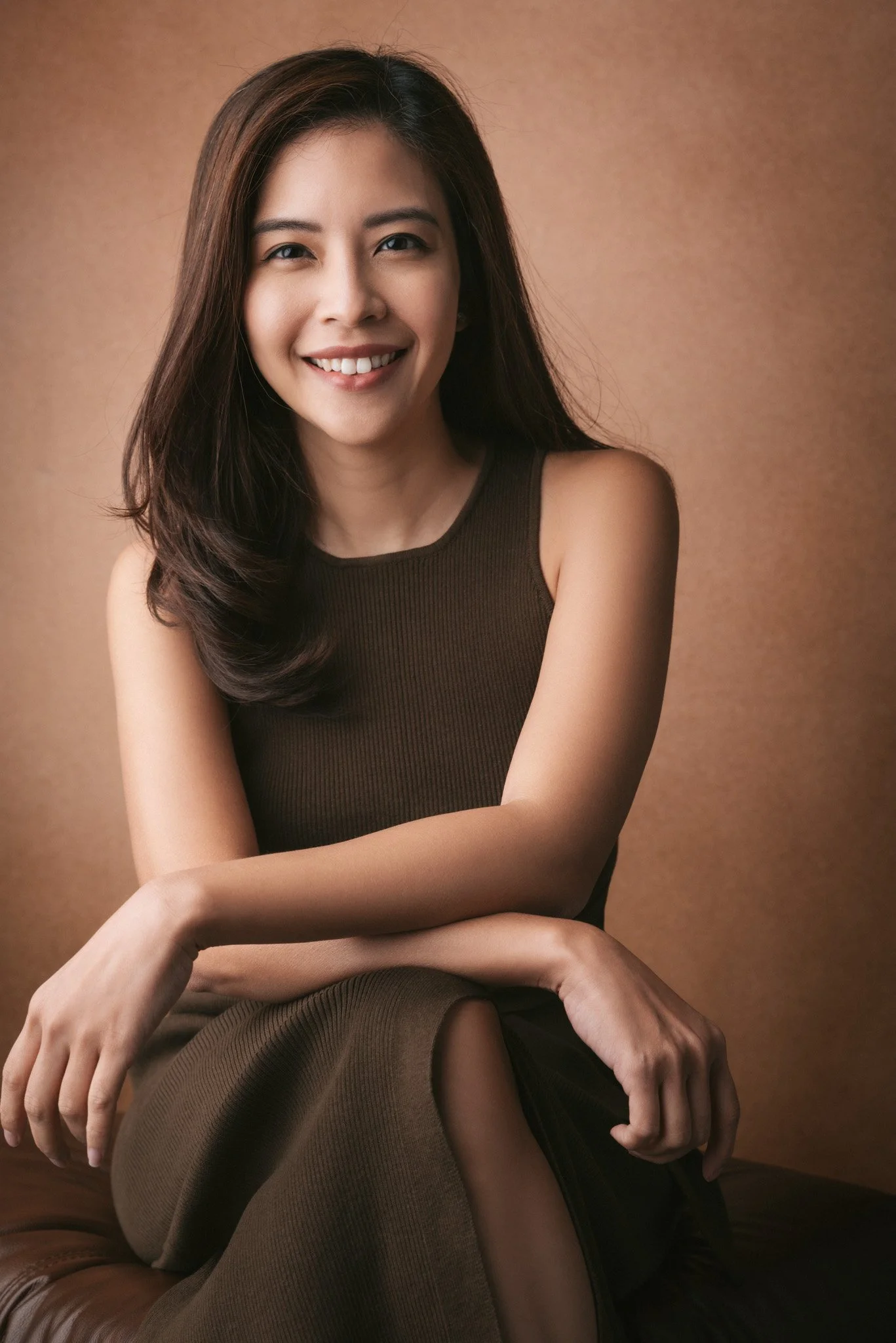
My portraits are generally created with a more restrained style, so neutral tones such as navy, charcoal, cream, beige, olive and soft earth tones often photograph beautifully because they complement rather than overpower.
Bright fluorescent colours can sometimes cast unwanted colour onto the skin, while very bold colours may become the first thing people notice before they notice you.
If you're planning to bring multiple outfits, a mixture of lighter and darker tones gives us more variety throughout the session.
That said, your personality should always have the final say. These are your portraits, so wear colours that you genuinely enjoy and feel comfortable in.
Patterns & Logos
Patterns aren't necessarily a problem, but they should never become the main subject of the portrait.
Small repeating patterns can sometimes create distractions on camera, while large logos or obvious branding often date a portrait very quickly.
When in doubt, simpler usually ages better.
Jackets & Layers
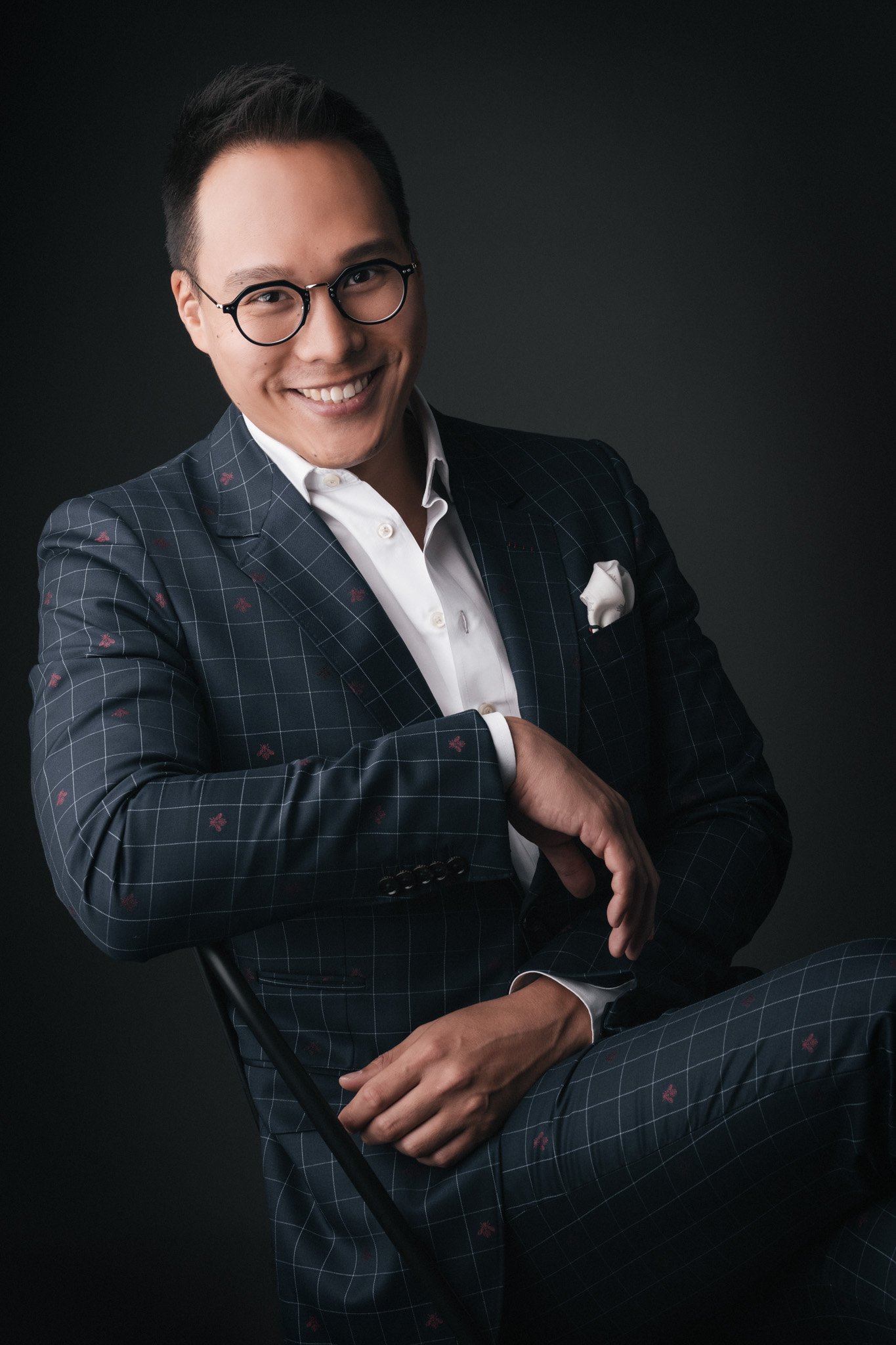
I love layering outfits for portraits. A jacket can instantly change the look and feel of a portrait, giving us additional variety without needing a complete outfit change.
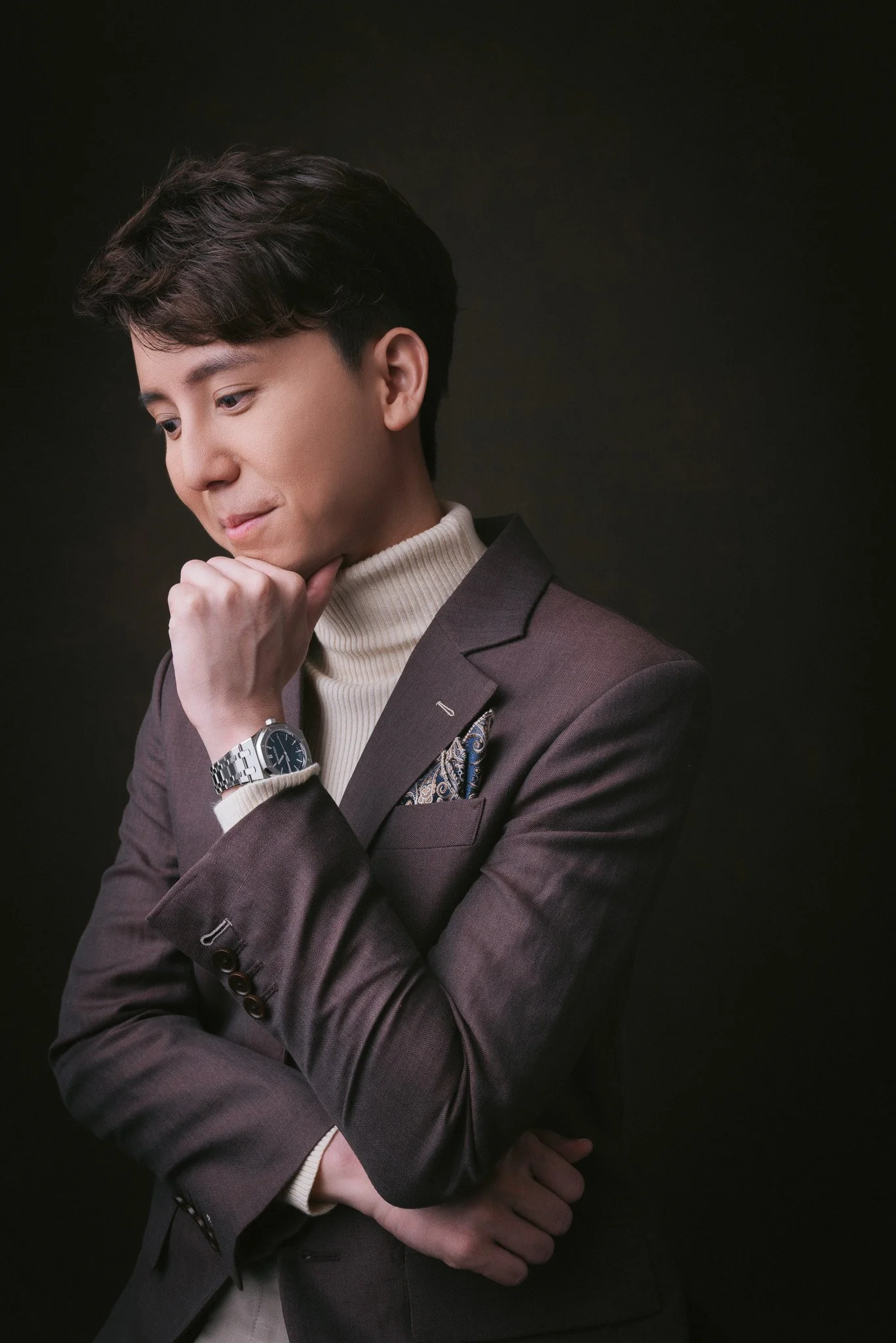
For business portraits, I almost always recommend bringing a jacket, even if you're unsure whether you'll wear it. It gives us more options and can quickly create a more polished, refined look.
For personal portraits, layering with knitwear, overshirts or lightweight jackets adds texture and depth while keeping the overall look relaxed.
I've also had many guests bring along their favourite trench coat or a well-loved leather jacket, both of which photograph beautifully. If a piece of clothing is something you genuinely enjoy wearing and feels like part of your personality, it's often worth bringing along. Even if we only use it for a few portraits, it can add wonderful variety to your collection.
Jewellery & Accessories
Accessories should complement you rather than compete with you.
Wear jewellery that you normally wear and feel comfortable in. If a piece holds sentimental value or has become part of your signature look, that's often a wonderful reason to include it.
One thing to keep in mind is that very long dangling earrings and extremely delicate necklaces can sometimes become distracting or shift out of place as you move throughout the session. Fine chains in particular have a tendency to twist or lose their natural shape, which can become noticeable in close-up portraits.
If these pieces are important to you or form part of your everyday style, by all means wear them. Otherwise, slightly more substantial jewellery is often easier to photograph and tends to sit more naturally throughout the session.
Large statement accessories can also work beautifully when they genuinely reflect your personality. If you're unsure, choosing something a little more understated usually creates a more timeless portrait.
Watches, cufflinks, scarves and other carefully chosen accessories can add subtle character without drawing attention away from you.
Glasses
If you wear glasses every day, you should usually be photographed wearing them.
They are part of how people recognise you, so your portraits will often feel more natural with them than without.
Before your session, give the lenses a quick clean, as fingerprints and dust can become surprisingly noticeable under studio lighting.
If your glasses have transition lenses, do let me know beforehand so we can plan accordingly.
In some cases, particularly with stronger prescriptions or glasses that have multiple lens coatings, reflections, colour tints or light refraction can become more noticeable. If your frames allow it, you may wish to have the lenses temporarily removed before the session. This lets you keep the look of your glasses without having to worry about the lenses affecting the portrait.
If you're unsure whether this applies to you, feel free to ask before your session. I'm always happy to advise.
Bringing multiple outfits
If you're undecided, bring them. Most guests bring more clothing than they eventually wear, and that's perfectly alright. It's much easier to decide together once everything is laid out than to wish you'd brought one more option.
In fact, it's not unusual for guests to arrive with a full-sized check-in suitcase. Please don't worry if that sounds like you. Having more options gives us greater flexibility, and we'll narrow everything down together once you're at the studio.
As a point of reassurance, many guests bring five to eight core pieces along with jackets, knitwear and other layering options. Depending on the length of your session, it's not uncommon to photograph several different looks to create a varied collection of portraits.
If you're bringing multiple outfits, hang them neatly on individual hangers rather than folding them into a bag. It helps minimise creases, makes changing much easier, and allows us to review your wardrobe at a glance.
Hair, Makeup & Grooming
Good grooming doesn't need to be complicated. A little preparation simply helps everything photograph more naturally.
Haircuts
If you're planning a haircut, try to schedule it about a week before your portrait session.
Fresh haircuts often look their best once they've had a few days to settle naturally. If you regularly keep your hair very short, two to three days beforehand is usually sufficient.
If you're making a significant change to your hairstyle, it's generally better to do so well before your portrait session rather than immediately beforehand. This gives you time to settle into your new look and ensures your portraits still feel like you.
If you've recently changed your hairstyle, do let us know beforehand. A quick reference photo is always helpful for our makeup artists.
Hair Colour
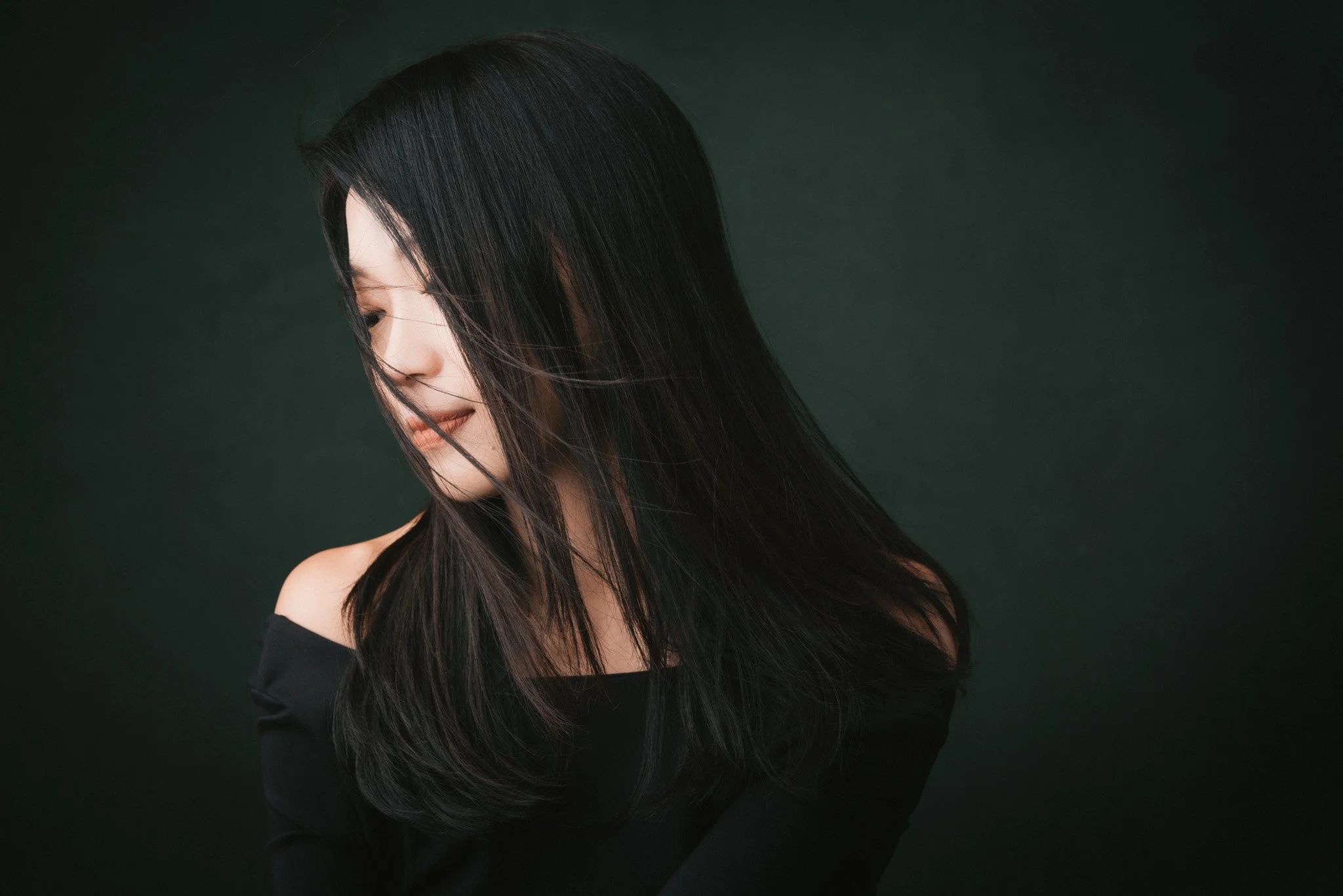
If you colour your hair, try to do so a few days before your session so everything looks fresh and natural.
If you're considering colouring your hair for the first time, avoid experimenting immediately before your portrait session. It's always better to arrive looking like yourself than adjusting to a look you're not yet comfortable with.
Makeup
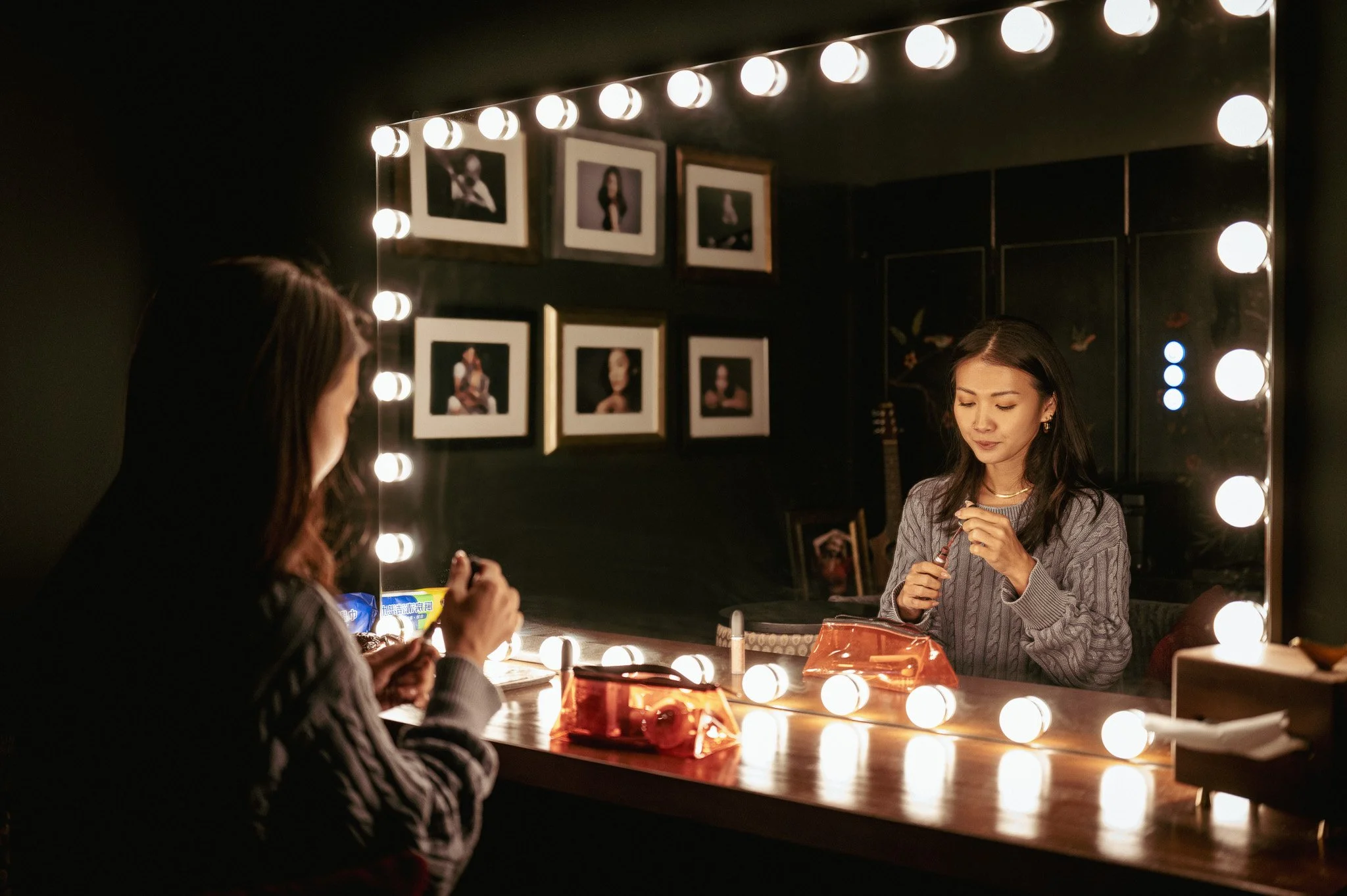
Professional hair and makeup is entirely optional but can be a wonderful addition, particularly for milestone portraits, personal branding sessions or portraits intended for publication.
I work closely with my trusted partners at Autelier Makeup, whose artists are very familiar with my style and preference for creating natural, refined makeup. It often takes more skill to create makeup that looks effortless than makeup that is obviously visible. The goal is always to enhance your natural features without becoming the focus of the portrait.
If you normally wear very little makeup, there's no need to dramatically change your appearance for the session. You should still look like yourself—simply at your best.
If you're engaging your own makeup artist, do let them know the makeup is for a professional studio portrait session. They're also welcome to get in touch with me beforehand. I'm always happy to share my preferences so we can create a look that photographs beautifully and complements the overall style of the portraits.
You're also welcome to bring your own makeup products if you prefer using them over our team's professional kit. This can be especially helpful if you have favourite shades or products that are part of your everyday look.
Shaving & Facial Hair
If you normally shave, do so on the morning of your portrait session or the evening before, depending on your usual routine.
There's no need to aim for an unusually close shave. Shaving more aggressively than you normally would can sometimes leave redness, irritation or razor marks that may still be visible during your session.
If you have a beard or moustache, giving it a tidy trim beforehand usually makes a noticeable difference.
As with your hairstyle, avoid trying an entirely new look just before your portrait session. The goal is simply to arrive looking like yourself on a good day.
Skincare
There's no need for an elaborate skincare routine before your portrait session.
Simply keep your skin well hydrated in the days leading up to the session and avoid trying new products that may cause irritation.
If you regularly use lip balm, it's worth applying a little before arriving.
Hands & Nails
Hands often appear in my portraits, particularly for editorial and personal portrait sessions, so it's worth giving them a little attention beforehand.
Clean, well-groomed nails are usually all that's needed. If you wear nail polish, choose something you'll still be happy seeing in your portraits years from now.
I would generally avoid very long fashion nails or elaborate nail art unless they're genuinely part of your personal style. Trends come and go, but portraits often stay with us for much longer.
If you're unsure, a classic French manicure or a simple, timeless manicure is usually a beautiful choice.
Sleep & Hydration
Getting a good night's sleep is probably more valuable than any skincare product.
Most of my portrait sessions begin at 10:30am. It's a deliberate choice that gives many of my working guests the opportunity to have a more relaxed morning, whether that means taking half a day or the entire day off. Starting the day without rushing makes a noticeable difference to how you feel throughout the session.
Being well-rested helps you feel more comfortable, more relaxed and more present in front of the camera.
Drinking plenty of water the day before and on the day itself can also help you look and feel your best.
Oh... and make it water, not coffee.
The Day of Your Portrait Session
Portrait sessions are most enjoyable when they don't feel rushed.
Giving yourself plenty of time allows you to arrive relaxed and ready, rather than worrying about traffic or watching the clock.
I'm usually at the studio about 15 to 20 minutes before your scheduled session, and you're more than welcome to arrive a little earlier too. It gives us a chance to have a chat before we begin, look through your outfits together and simply settle into the day.
Eat Before You Arrive
Please have a proper meal before your session.
Most of my portrait sessions begin at 10:30am, and if you've engaged our hair and makeup team, photography may not begin until around 11:30am. Before you know it, we're often shooting straight through the usual lunch hour.
If you're someone who gets hungry easily or has a sensitive stomach, I'd also recommend bringing along a light snack such as bread, crackers or biscuits. A little something on hand can make all the difference during a longer session. One small request... perhaps skip the chocolate or anything else that might stain your teeth. 😊
Being hungry has a way of affecting your energy, concentration and patience, particularly during longer portrait sessions. Arriving well-fed means you'll be far more comfortable and able to enjoy the experience.
Give Yourself Extra Time
Aim to arrive a few minutes early if you can. Traffic around Ubi can be a little busy in the morning, although it usually eases after 10am.
That said, if you're running a little behind, please don't worry. I only welcome one guest each day, so we're not working against a tight schedule or trying to fit you between other appointments. I'd much rather you arrive feeling settled than stressed.
Arriving a little earlier simply gives us time to unpack your clothing, look through your outfits together and ease naturally into the session.
There's no prize for arriving stressed.
Bring Your Clothes Ready
Where possible, bring your clothing on hangers rather than folded into a bag. It helps minimise creases and makes changing outfits throughout the session much easier.
If you're bringing several outfits, don't hesitate to let me know when you've arrived or parked nearby. Many guests do, and I'm always happy to come down and help carry everything up.
If anything does become wrinkled during the journey, don't worry. We have a steamer in the studio and can usually freshen up most garments before we begin.
Don't Worry About Posing
This is probably the biggest concern guests have before arriving.
You don't need to prepare poses, save Pinterest screenshots or practise expressions in front of the mirror.
In fact, many poses you see online are created for fashion photography and don't always translate well to personal portraits. My approach is quite different. Rather than asking you to imitate someone else, I'll observe how you naturally stand, move and express yourself, then guide you towards what complements you best.
Throughout the session, I'll direct you step by step, making small adjustments along the way—from your posture and the position of your hands to the angle of your face and where your eyes are looking. You'll always know what to do next, so there's never any expectation that you should already know how to pose before you arrive.
Most guests tell me afterwards that the session felt easier than they expected. That's exactly how it should feel.
That’s it. You’re ready!
By now, you should have a good idea of how to prepare for your portrait session.
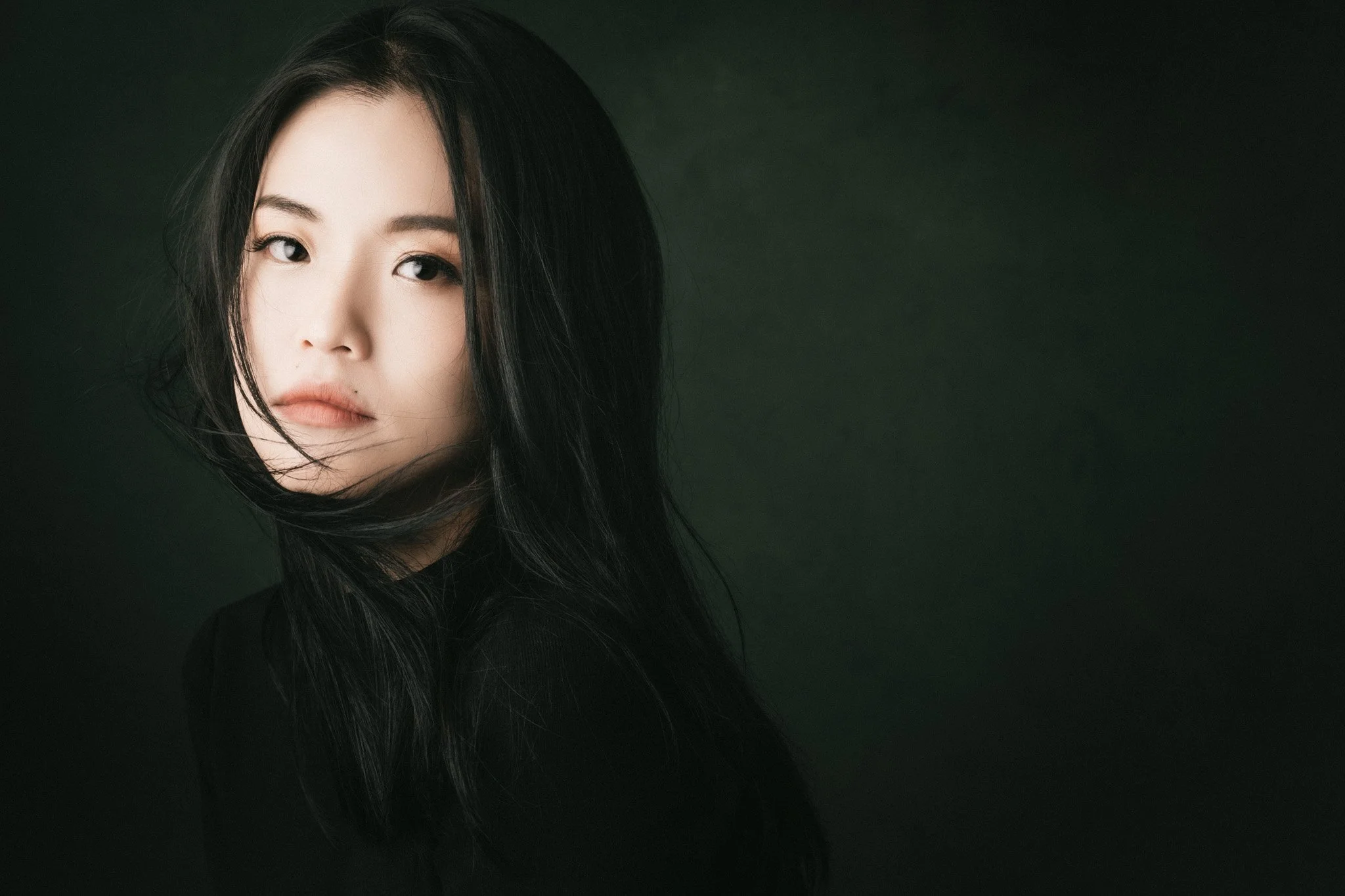
If there's one thing I'd encourage you to remember, it's this… you don't need to arrive knowing how to pose or exactly what to do. Preparing well certainly helps, but once you're here, you can simply focus on being yourself and enjoying the experience.
Bring the clothes you've chosen, arrive with an open mind, and leave the rest to me.
Some of my favourite portraits don't look particularly remarkable while we're creating them. Trust the process. The small decisions made throughout the session are what come together in the finished portrait.
If you still have questions before your session, don't hesitate to get in touch. I'd much rather answer them beforehand than have you arrive feeling uncertain.
I look forward to welcoming you to the studio.
— Ejun Low —
