

Why Great Professionals Don't Compete on Price
Not every profession is solving the same problem.
Neither should every professional.
A few weeks back I saw an ad for a new portrait studio opening here… a big chain from China, $199 for the whole package… makeup, wardrobe, professional shoot, the works. I had a look at their sample photos out of curiosity. Not bad at all, actually. I could totally see why so many people would jump at that.
What caught me off guard wasn't the price. It was my own reaction to it. For a second I actually thought, "wait, does this affect us?" Then it hit me… no, it doesn't. Those were never my clients to begin with.
I'm not saying that to look down on the studio, or on anyone who books them. People want different things from a portrait session. Some just want a fun outing, a bit of a makeover, some nice shots for Instagram. Nothing wrong with that at all.
It's just not what I do.
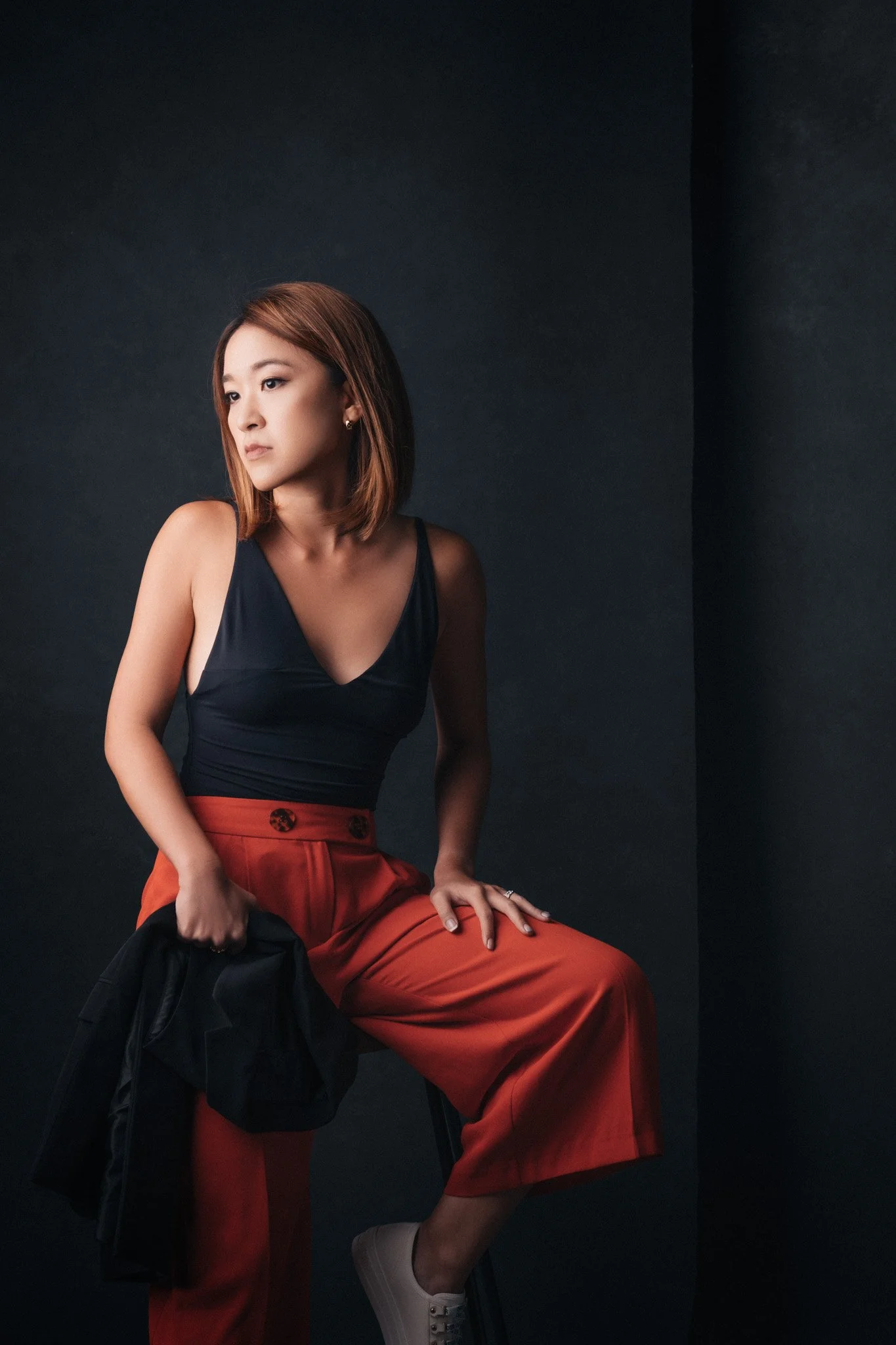
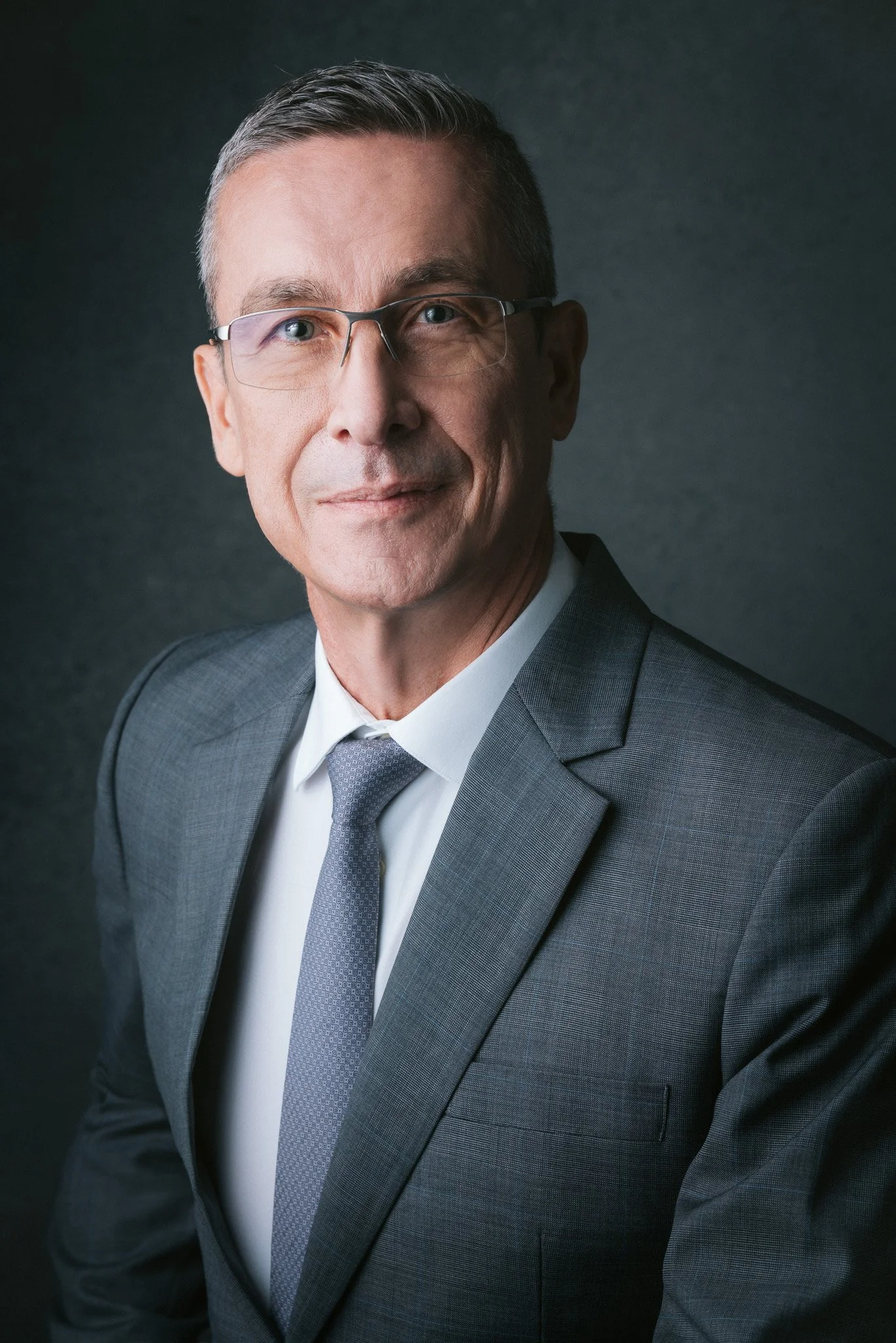
The longer I've spent photographing founders and professionals here, the more I notice the ones I respect all think the same way. A lawyer at one of the big firms isn't checking what a small practice down at Beach Road charges. A surgeon at Gleneagles isn't losing sleep over polyclinic fees. A chef with a Michelin star isn't trying to undercut the kopitiam downstairs. Leica could've gone the "affordable camera" route decades ago and very deliberately didn't. It's not that any of them think they're better than everyone else… they've just decided who they're for, and they're completely okay with who they're not for.
I think that distinction gets lost a lot, especially here. The moment someone sees a cheaper option, the assumption is that clients must be comparing on price. Sometimes, sure, that's true. But more often, people are actually choosing between two different things entirely without realising it. A $199 studio session gets you a nice photo for the family WhatsApp group. What I do is help someone represent a business they've spent fifteen, twenty years building. Both use a camera. That's about where the similarity ends.
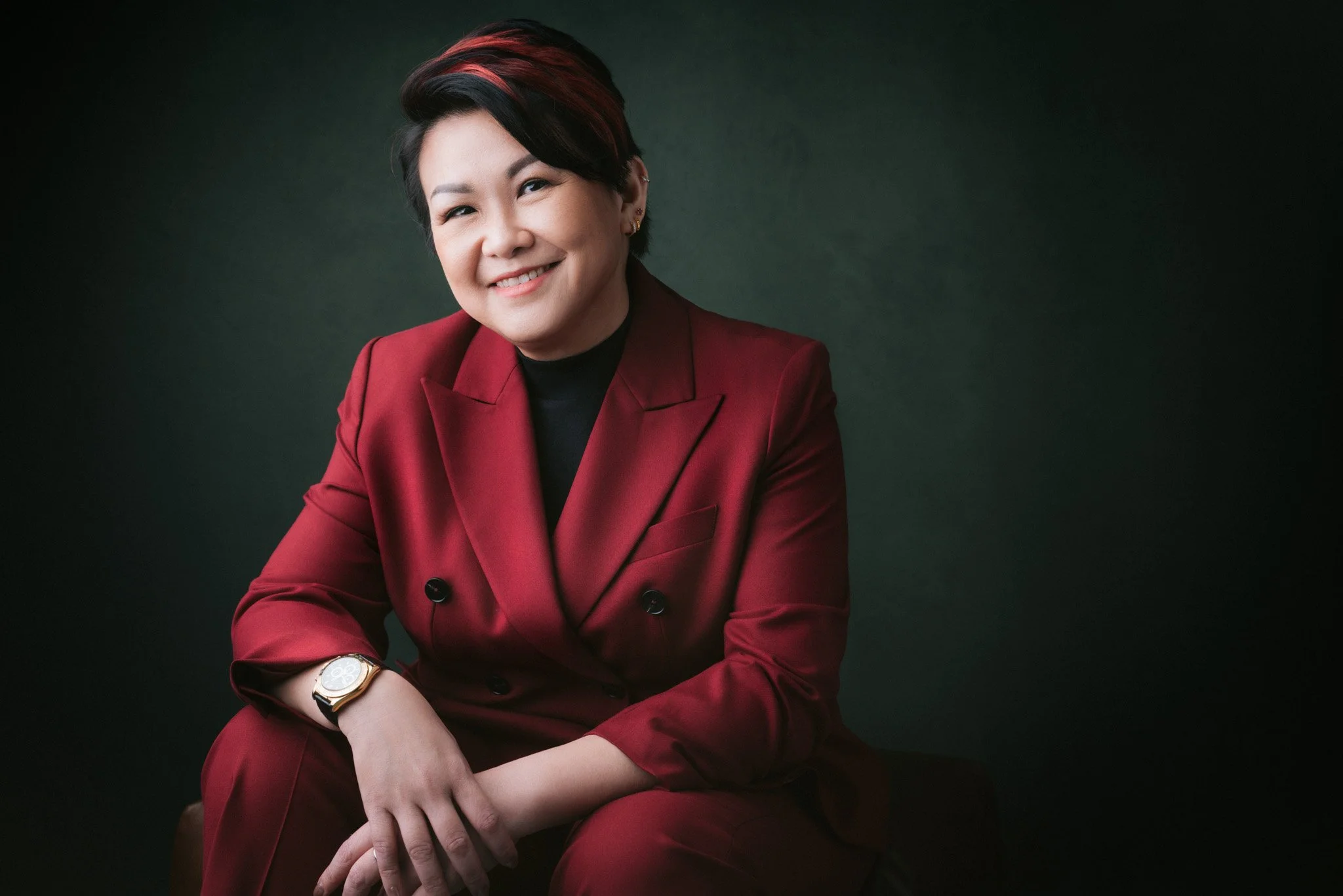
Honestly, I think a lot of professionals in Singapore struggle with this because of how we're brought up. Humility here often gets translated into "don't talk about yourself too much." So when it comes to explaining why our work costs what it costs, we clam up… scared of sounding like we're boasting. We'd rather stay quiet and hope people just... notice.
I don't think that's fair to anyone, honestly. Least of all the client trying to make a decision.
If you've spent years sharpening your eye, investing in better gear, building a client experience that actually works, figuring out a way of working that genuinely serves people better — explaining that isn't showing off. It's just giving people the information to decide if you're the right fit for them.
The photo itself is only part of what a client is paying for when they come to me. They're paying for the time spent actually getting to know who they are before I even pick up the camera. For judgement — knowing when to push and when to hold back. For restraint in the retouching, so people still look like themselves. For prints that'll outlast a phone screen. For knowing what a portrait needs, and just as importantly, what it doesn't.
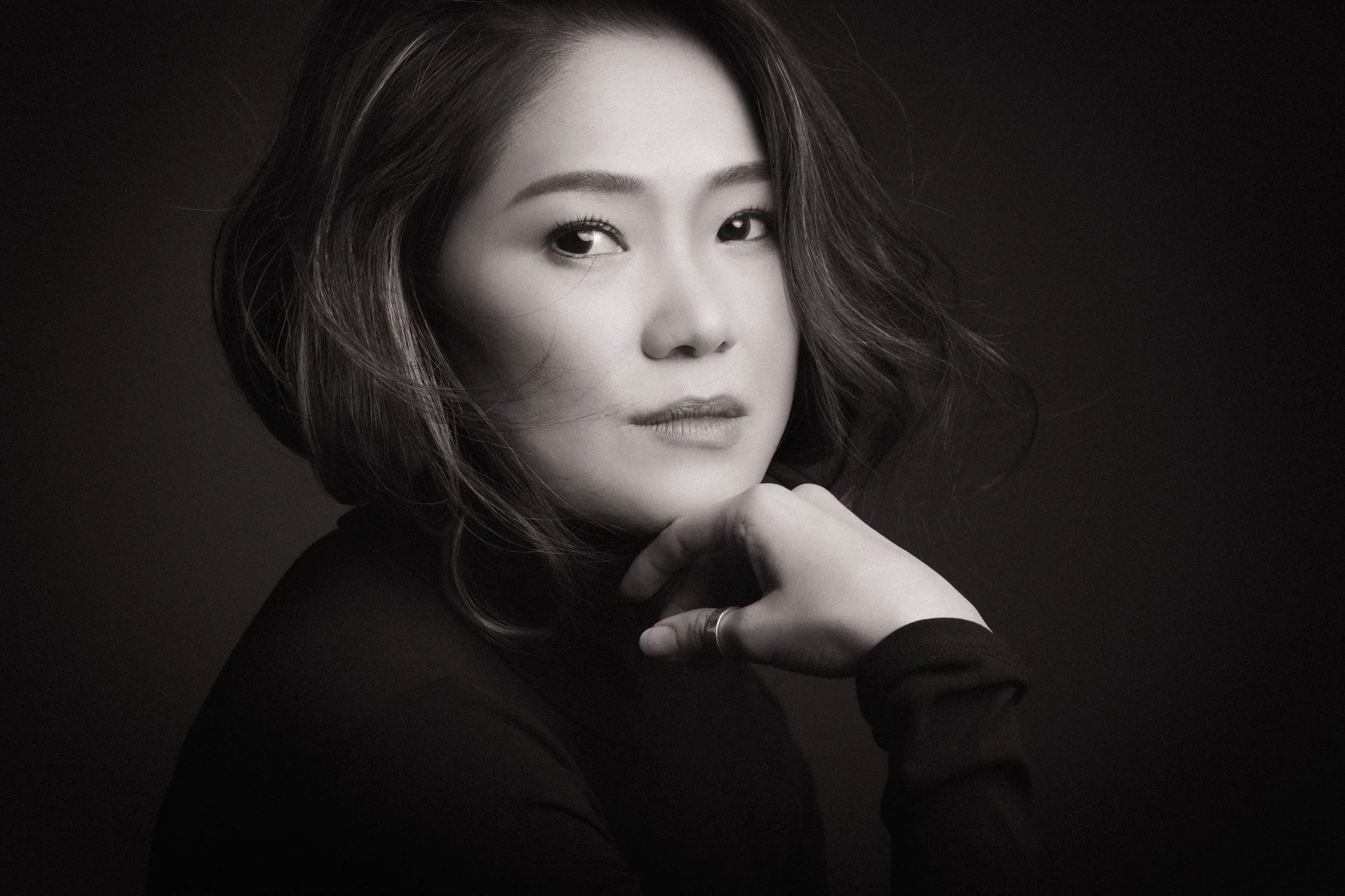
None of that is obvious just by looking at a price tag. So somebody has to say it out loud.
The professionals I admire most all have this in common — they don't apologise for the standard they've set. They're not trying to be everyone's photographer, lawyer, surgeon or chef, and they don't need to be. They just keep getting better for the people who actually want what they do.
Great professionals don't compete on price. They compete on which problem they've chosen to become exceptional at solving. And once you're actually exceptional at something, telling people why it matters isn't arrogance.
It's just doing right by them. People can't value what they were never given the chance to understand.
— Ejun Low
