

Executive Portrait vs LinkedIn Headshot
One helps people recognise you. The other helps represent you.
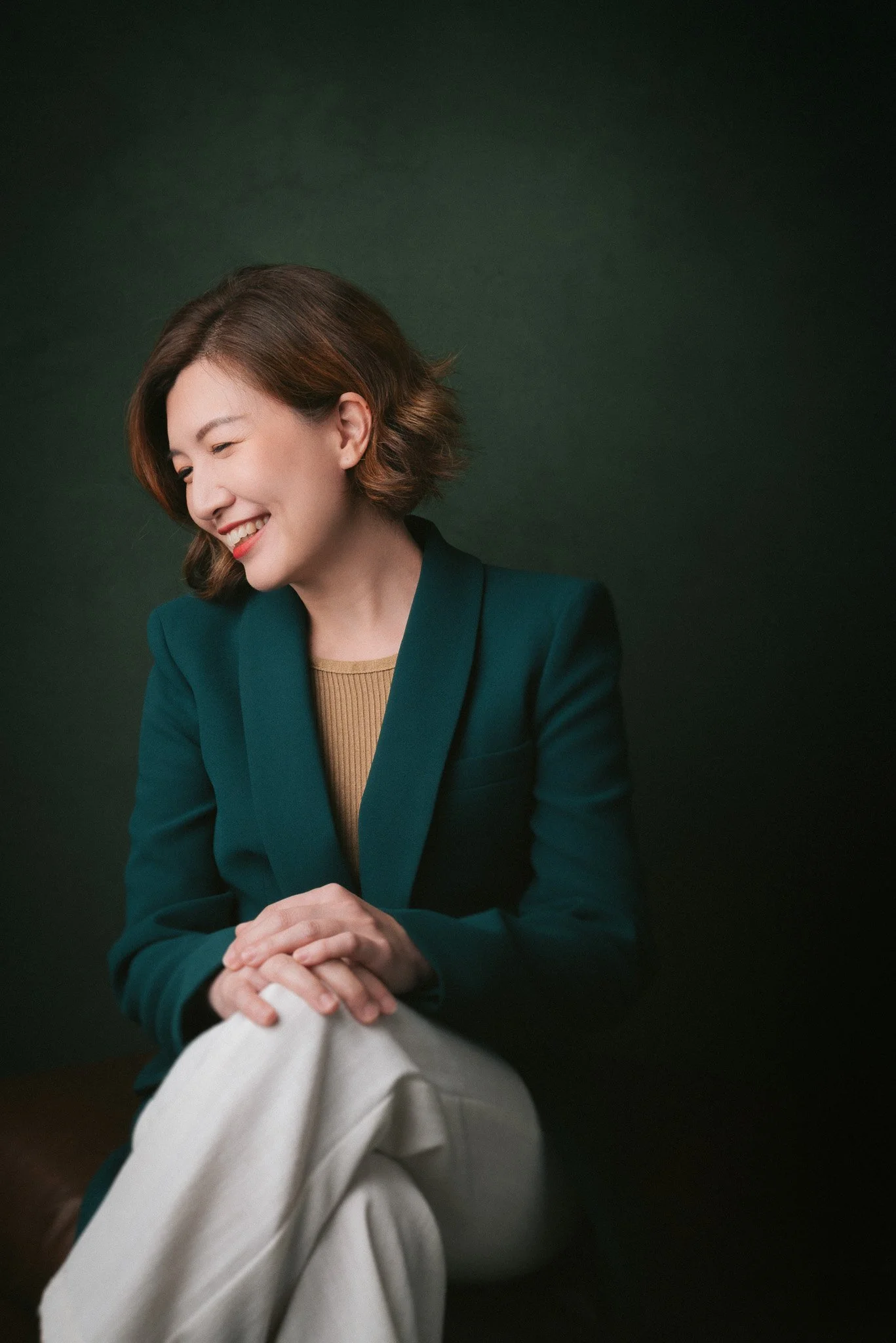
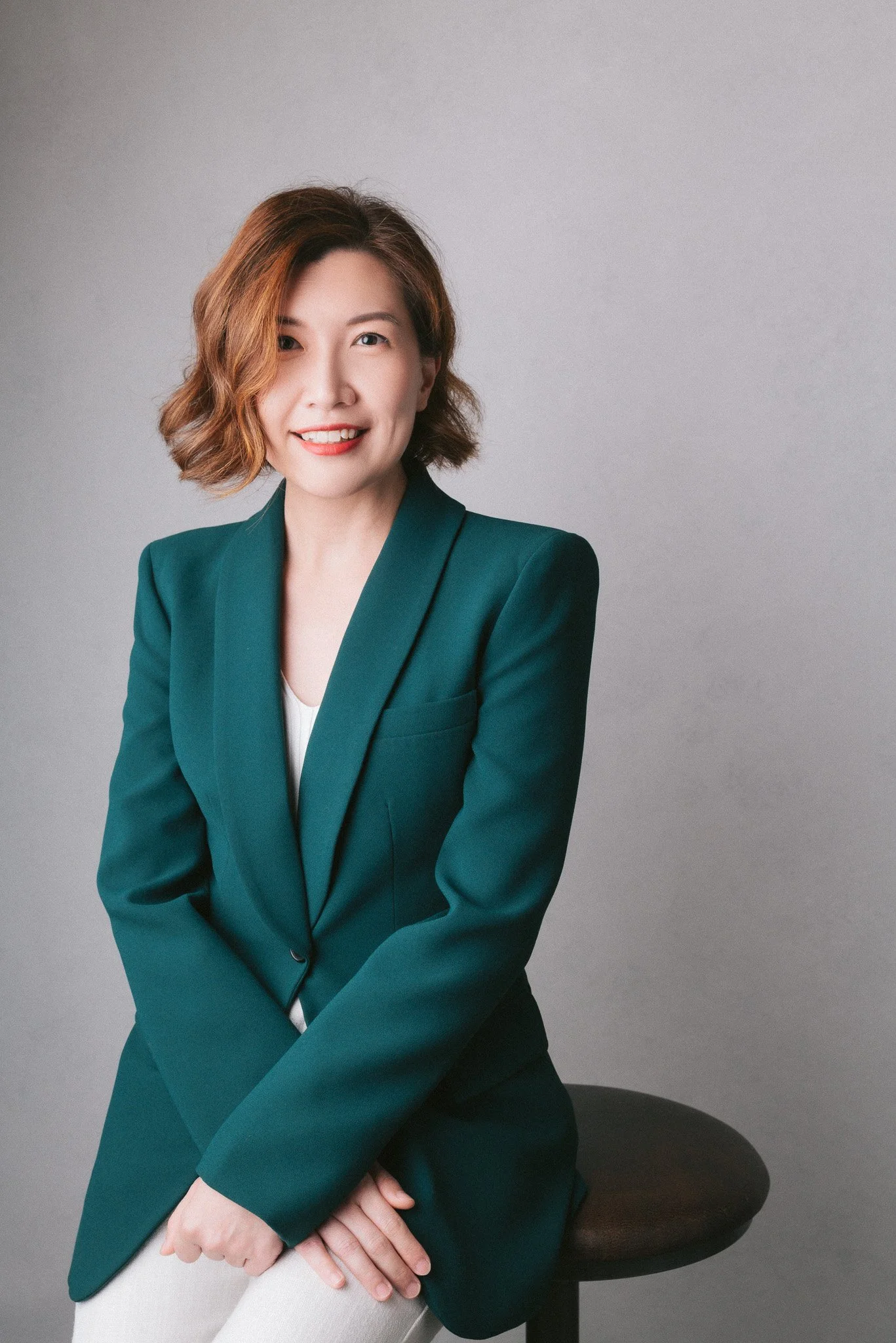
For years, I've heard people use the terms Executive Portrait and LinkedIn Headshot as though they were simply different names for the same thing. It's an understandable assumption. The same photograph might appear on LinkedIn, a company website, a conference programme or an annual report. To most people, they're just professional photographs used in different places.
The longer I've spent photographing professionals, however, the more I understand that they begin with very different intentions.
A LinkedIn headshot helps people recognise you.
An executive portrait helps represent you.
It sounds like a small distinction, but this changes almost everything.
Every profession eventually reaches a point where experience becomes difficult to describe. A surgeon may spend decades developing judgement that no qualification can fully capture. An entrepreneur carries the weight of decisions few people ever see. A lawyer earns trust one client at a time, while a teacher quietly shapes lives long after class is dismissed. Somewhere along the way, a person's work becomes larger than a list of achievements. It becomes their reputation.
Maybe that's why a portrait eventually stops being just a photograph of a person. It begins representing the life they've built.
A LinkedIn headshot serves an important purpose. It helps people connect a face to a name. It accompanies emails, introduces speakers at conferences and reassures us that we've found the right person online. In many ways, it's a photograph of recognition. It simply answers the question, "Is this you?"
An executive portrait feels different to me. When someone stands in front of my camera as a CEO, a medical specialist, a founder or a partner in a professional practice, I'm rarely thinking about whether they'll need a new profile photograph. I'm thinking about everything their portrait now carries with it. Years of experience. Responsibilities accepted. Decisions made. The trust others have placed in them. Their portrait is no longer introducing only an individual. It's representing everything that person has spent their lifetime becoming.
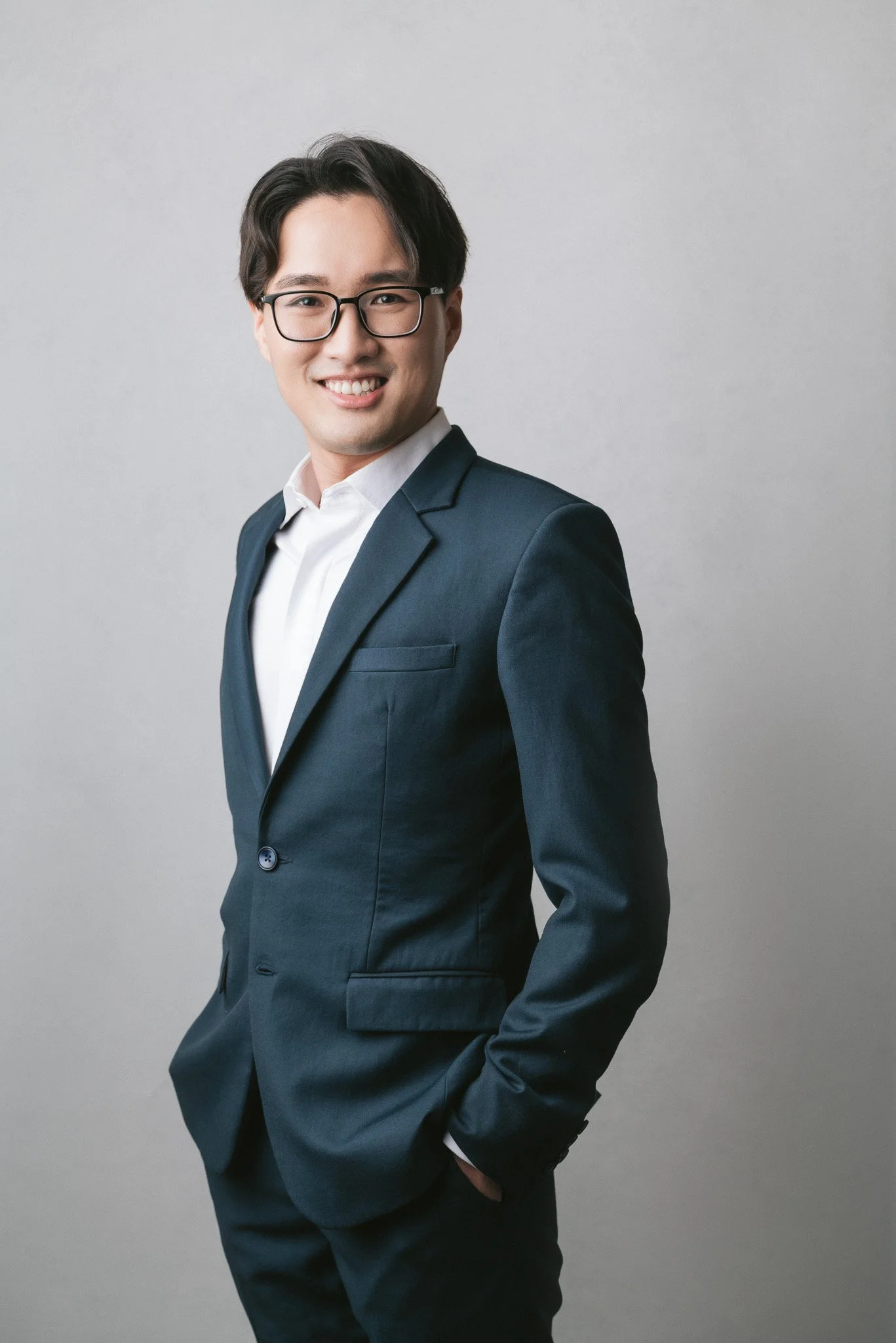
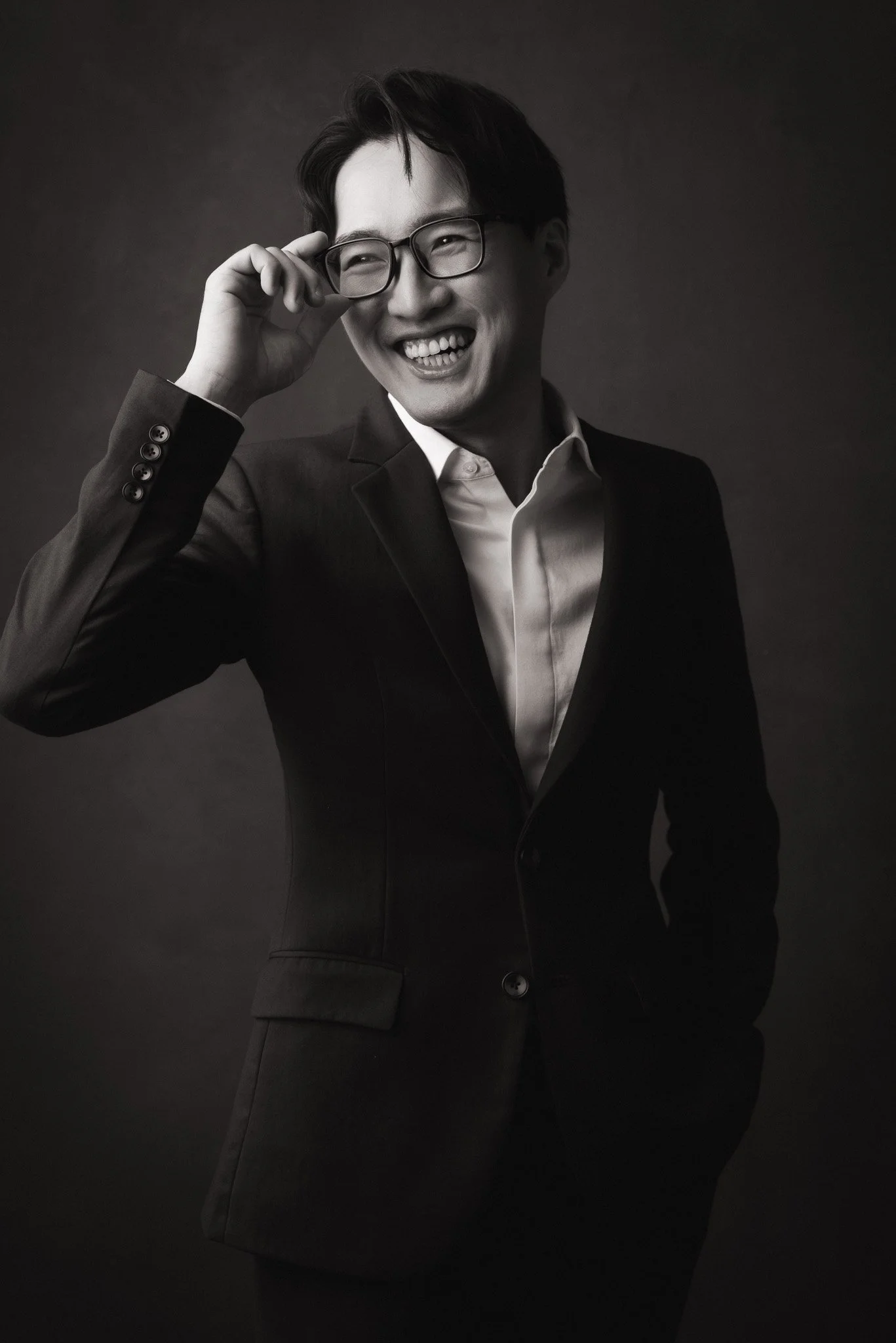
When my clients come for their shoots, we never talk about the “weather”. We talk about careers, responsibilities and the people who will eventually see these photographs. We talk about where someone finds themselves in life, what this next chapter represents and what opportunities they hope to create from having such a profile. By the time we begin making portraits, many of the important decisions have already been made.
I noticed that this changes the way we think about almost everything else. Clothing isn’t about fashion and more about what’s appropriate. Expression becomes less about appearing confident and more about feeling believable. Even retouching becomes an exercise in restraint. The question is no longer, "How can we make you look more impressive?" but rather, "How can we represent you authentically?" The questions might sound the same but they won’t lead to the same photograph.
Of course, the distinction isn't absolute. Many of the executive portraits I've created eventually become someone's LinkedIn profile photograph (albeit a very impressive one), just as a simpler LinkedIn headshot might later appear in my client’s editorial profile. The difference has very little to do with where the image is used. It has everything to do with why it was created in the first place.
Before the digital age, professionals commissioned portraits because they understood that representation mattered. Judges, physicians, academics and business leaders sat for portraits that would hang in their offices or boardrooms. Those portraits weren't created because people needed help recognising their faces. They existed because these people eventually come to represent something larger than themselves.
Today, our platforms may have changed, but I don't think that purpose has.
Over the years, I've come to believe there's an important distinction between recognition and representation.
Recognition asks, "Is this you?" Representation asks, "Is this how you wish to be remembered?"
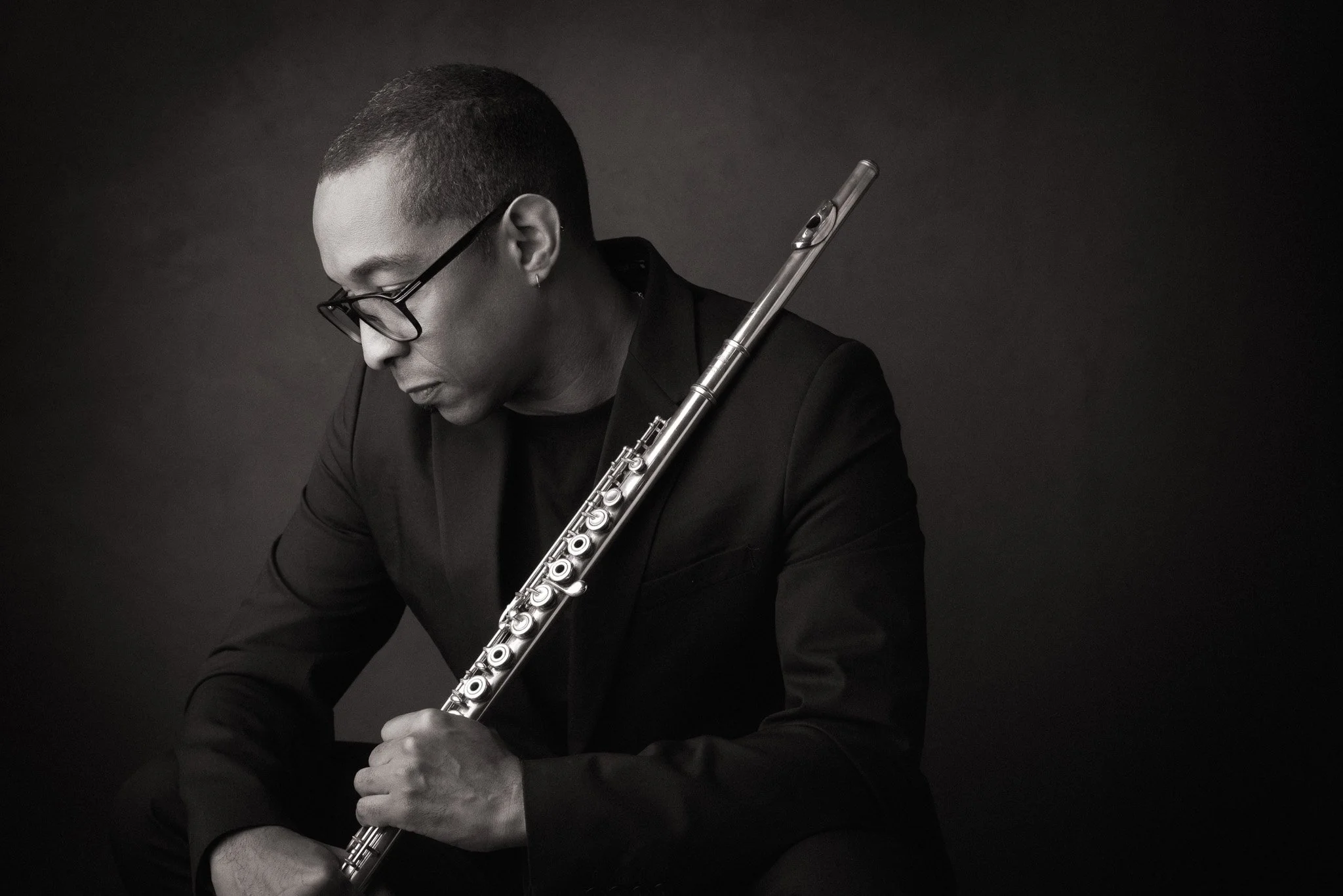
Perhaps that's the real difference between a LinkedIn headshot and an executive portrait.
One helps people recognise who you are.
The other represents everything you've spent a lifetime becoming.
