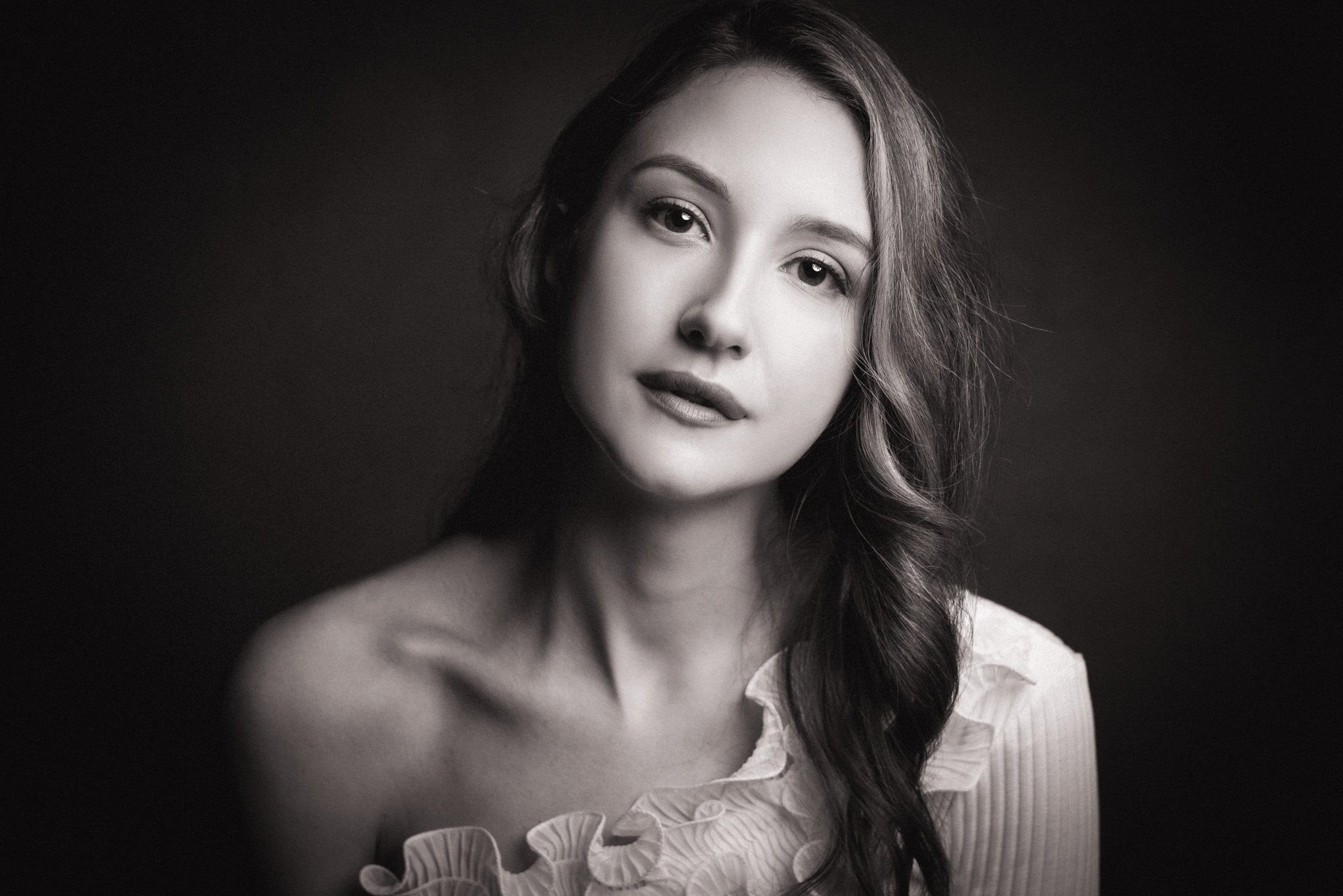
Why paying for vision is different from paying for execution.
Imagine you walk into an acclaimed sushi restaurant. Standing behind the counter is a chef you’ve heard so much about. You’ve never tried his sushi, but in your mind you think… “it must be out of this world”. You get yourself seated at the sushi counter and just as the chef greets you, you place your phone in front of him and say… "I found this recipe on YouTube. Could you make it exactly like this?"
To be honest, I’m certain anyone would be able to follow a YouTube video - much less a competent chef. But somehow it feels like you've missed the point of hiring them in the first place. You weren't paying for someone to follow a recipe. You were paying for their taste. You’re paying for their skills, their experience and whatever made you choose that chef over every other chef in the country.
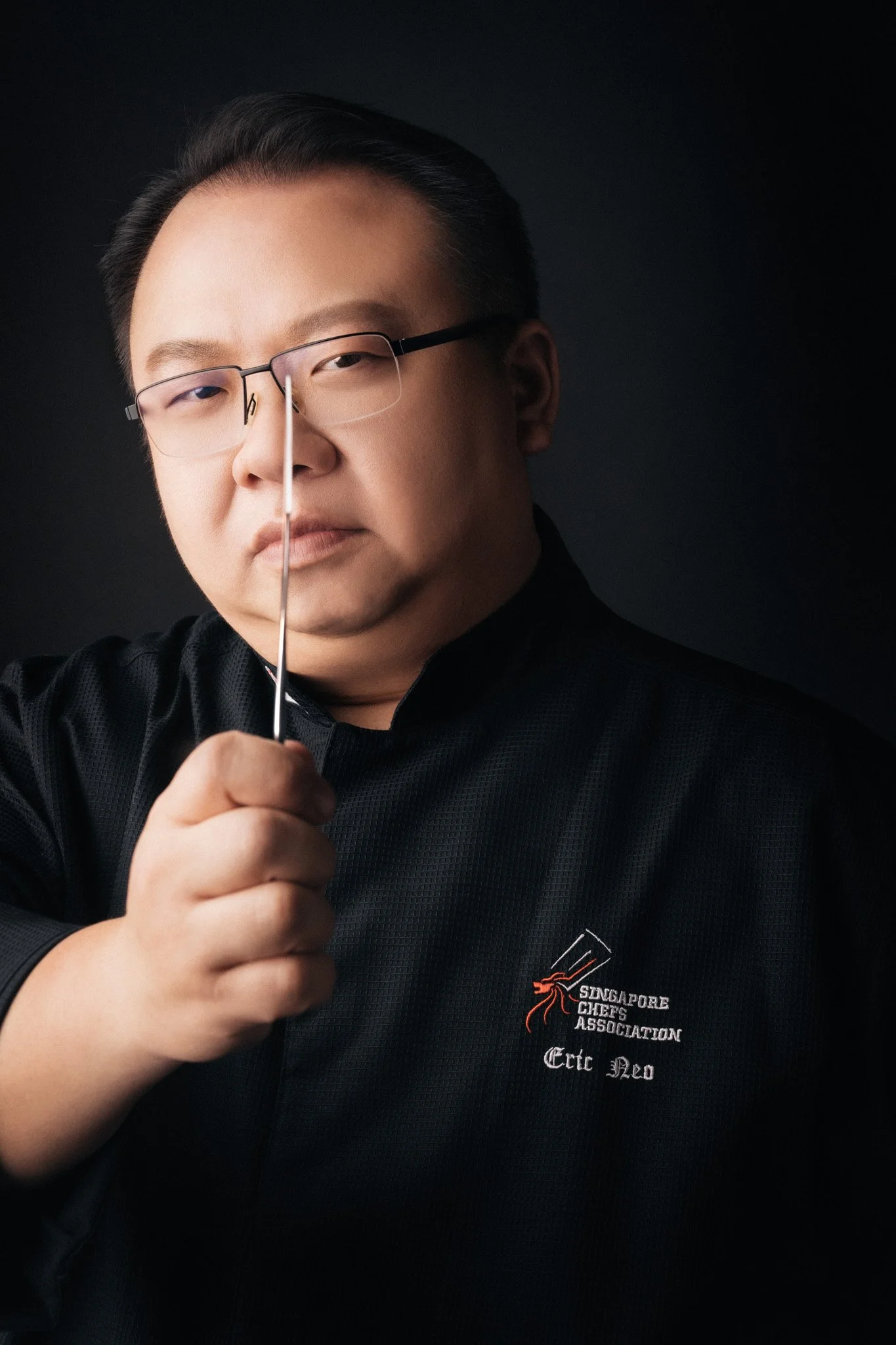
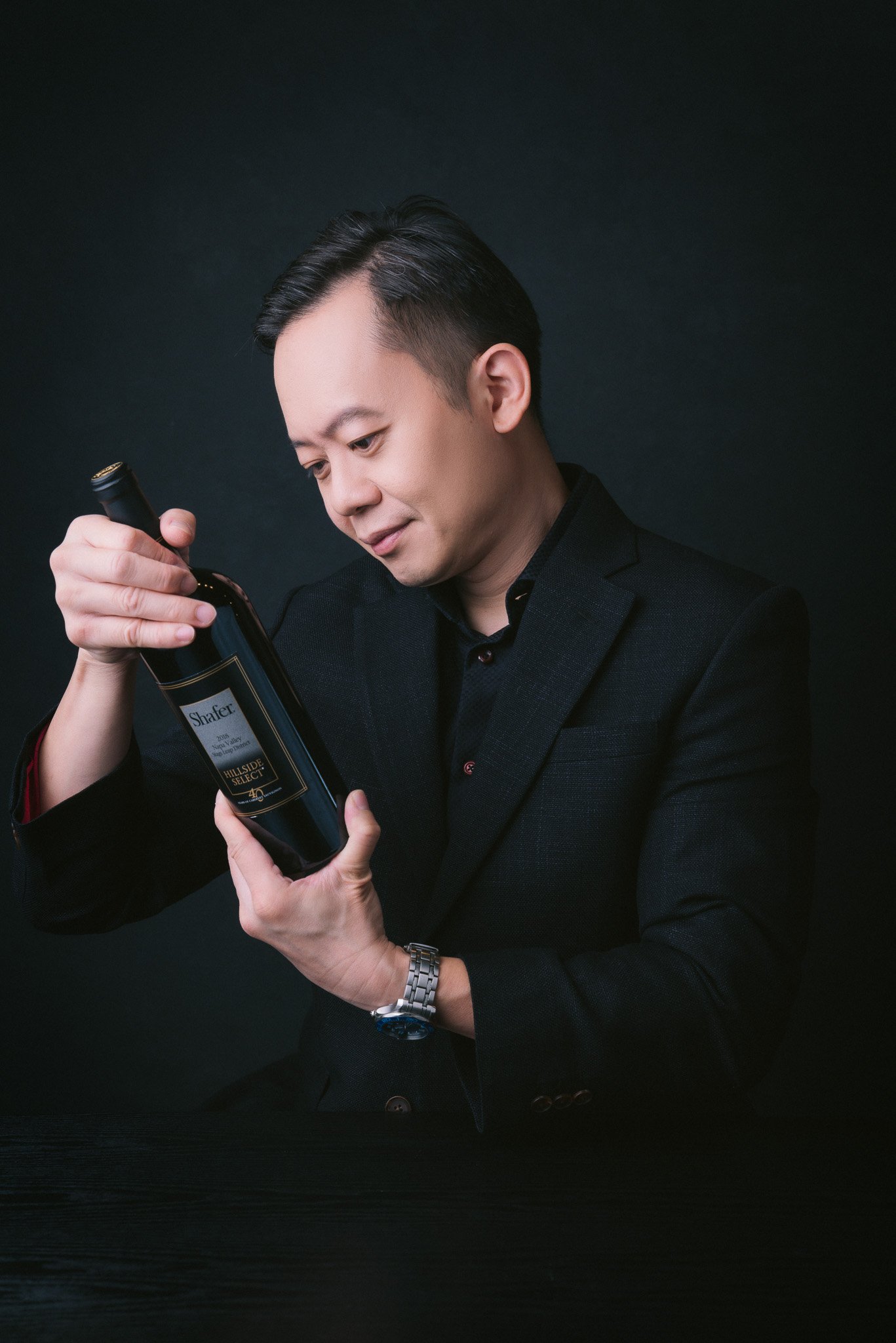
Every now and then, I get similar requests in the studio…
Someone enquires about a portrait session and sends me a collection of reference photographs. Sometimes they're screenshots from Pinterest. Sometimes they're other photographer's work. Sometimes they will say they are inspired by a certain style or photographer. Honestly, I understand why they do it. If you've never commissioned a portrait before, reference photographs are probably the easiest way to show your photographer what you're looking for.
While I’m not offended by such request, it also makes me wonder if they missed the whole point of commissioning a photographer in the first place.
As a professional, could I recreate another photographer's portrait? Of course I could. Lighting can be deconstructed, posing is easily replicated and colour grading can be emulated. Most experienced photographers have the technical ability to produce something remarkably similar if that is indeed the brief. But the question I've found myself asking every time such a request come in isn't whether I can. It's whether I should. Because if all you wanted was a copy of someone else's work, there is one person who will always do it better than I can—the person who created it.
Thankfully, over the years, those requests have been few and far between. The photographs I'm most proud of have never begun with another photographer's work as their reference point. More often than not, it comes from getting to know someone. Or perhaps more accurately... understanding them to some degree. That takes time, and that's one of the reasons why I only photograph one guest a day. You can't put a time limit on getting to know someone, and I don't think it’s a process that can be rushed. Sometimes the conversation lasts twenty minutes. Sometimes it's much longer. We might start talking about work, a bit of the family… maybe business or parental challenges, or on occasions, nothing particularly significant at all. Yet those chats in between shooting tell me far more than a Pinterest mood board ever could.
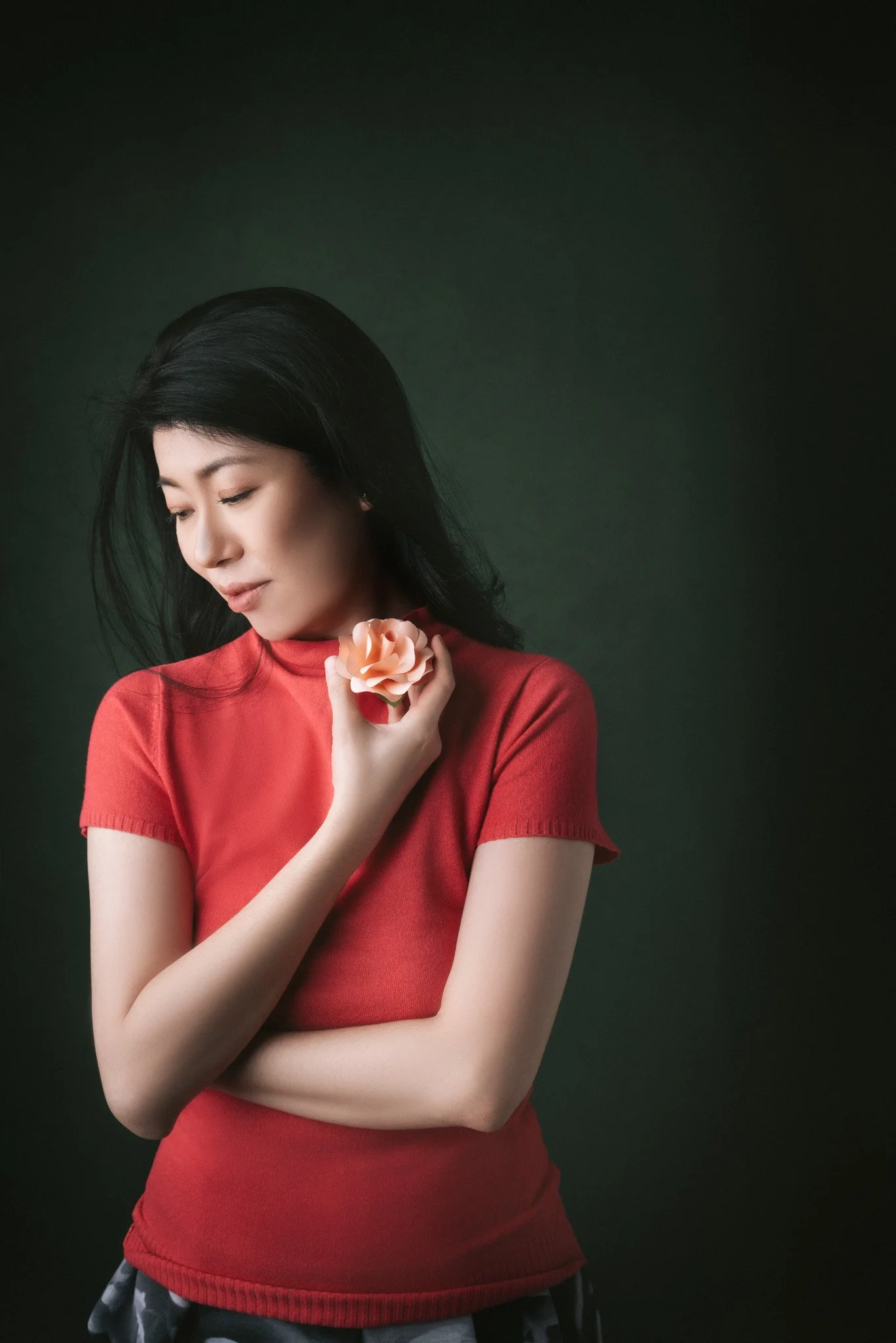
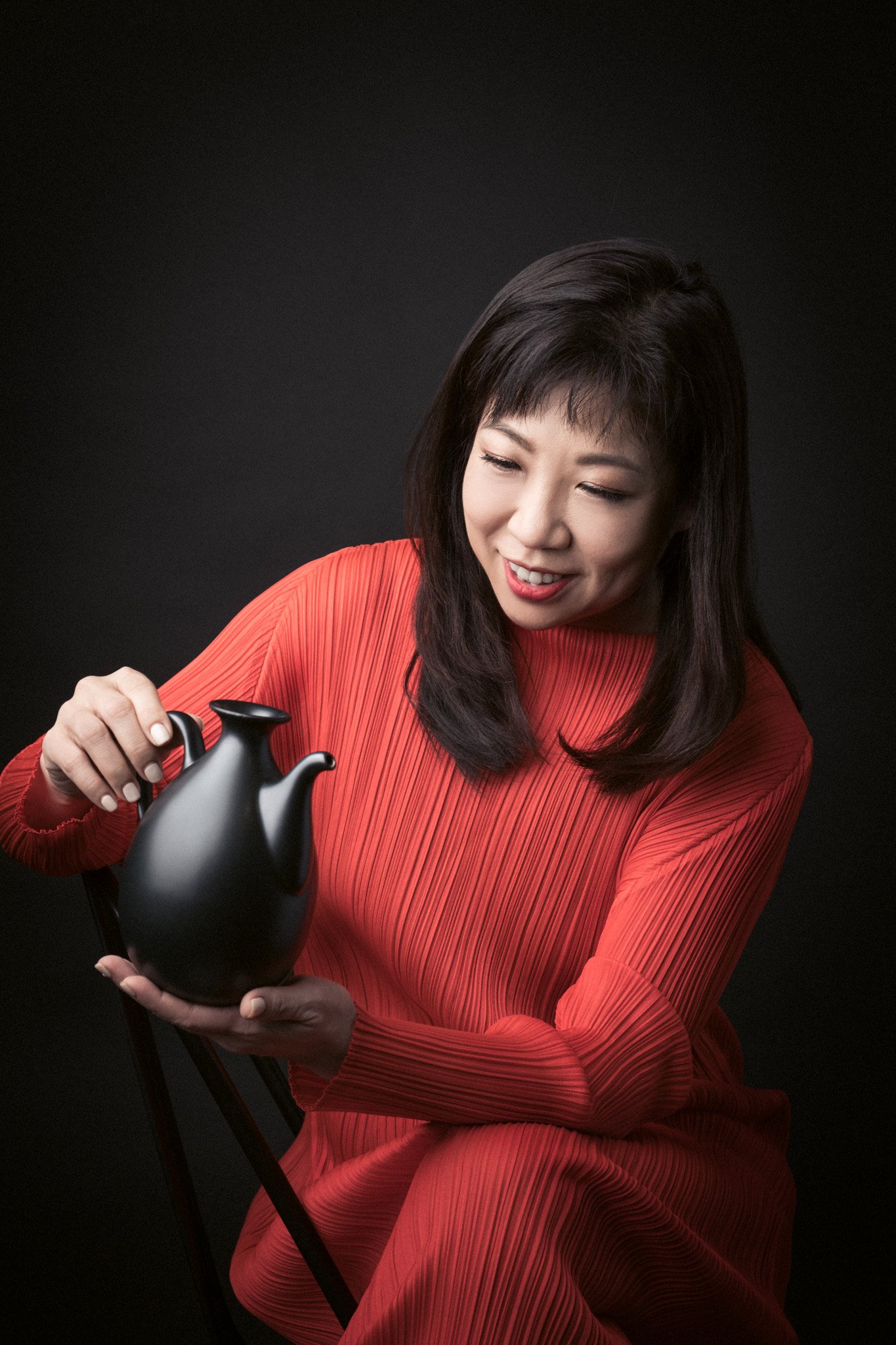
For sure, there must be clients who find my approach a little excessive, especially if all they're looking for is a photograph for a résumé or a LinkedIn profile. There's absolutely nothing wrong with that. Not every commission asks for the same thing, and not every photographer chooses to work the way I do. Eventually, the people that find me usually aren't looking for just a photograph. They're looking for something that feels quintessentially them... something that couldn't have belonged to anybody else. And after almost two decades of shooting, I realise portrait photography cannot be done any other way.
There is a difference between paying for execution and paying for vision. For example, If you are merely paying a graphic designer to do something in your vision, I’m sure you can find options on platforms online. But when it really matters, companies hire designers who understand design - the psychology, the practical usage, the intangible value. They happily pay for good judgement because it matters.I would really find it strange to commission a professional just because they are good at copying someone else. The same reason why Singapore won’t hire an architect to design an iconic skyscraper in the mould of another in London.
That said, it is perfectly normal for my clients to give me parameters to work within. Some need a portrait for a conference, others for their marketing media kit. So based on what they need them for, I envision how that would eventually be. That's also why I don't believe reference photographs are wrong. They're often useful. They tell me whether you're drawn to something understated or dramatic, whether you naturally respond to softer light or stronger contrast, or whether there's a mood you've always admired but perhaps never had the words to describe. They give us somewhere to begin. The problem isn't the reference itself. It's when the reference becomes the destination. The moment someone asks me to recreate somebody else's work, what they've essentially done is stopped asking what this portrait could become.
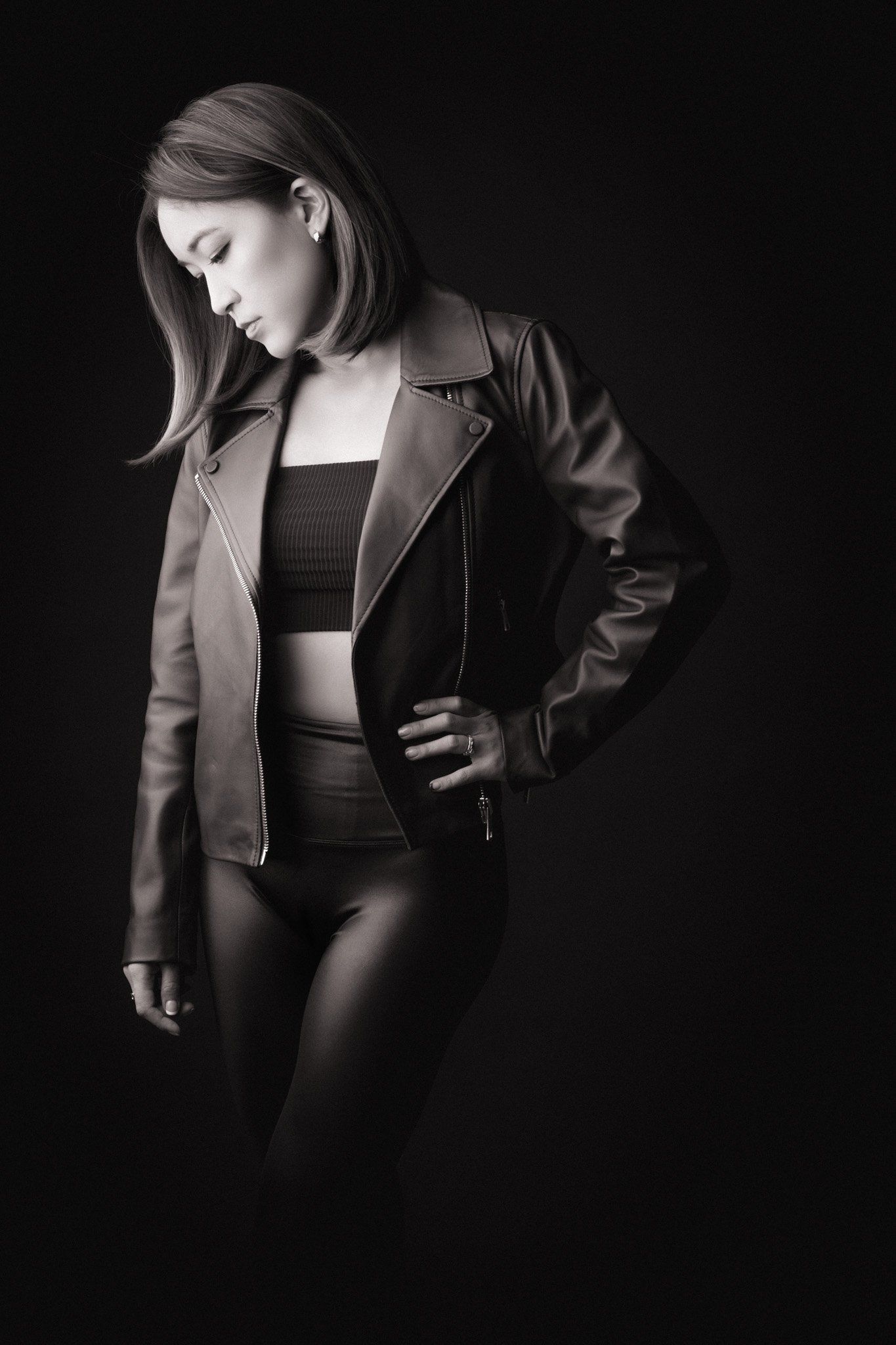
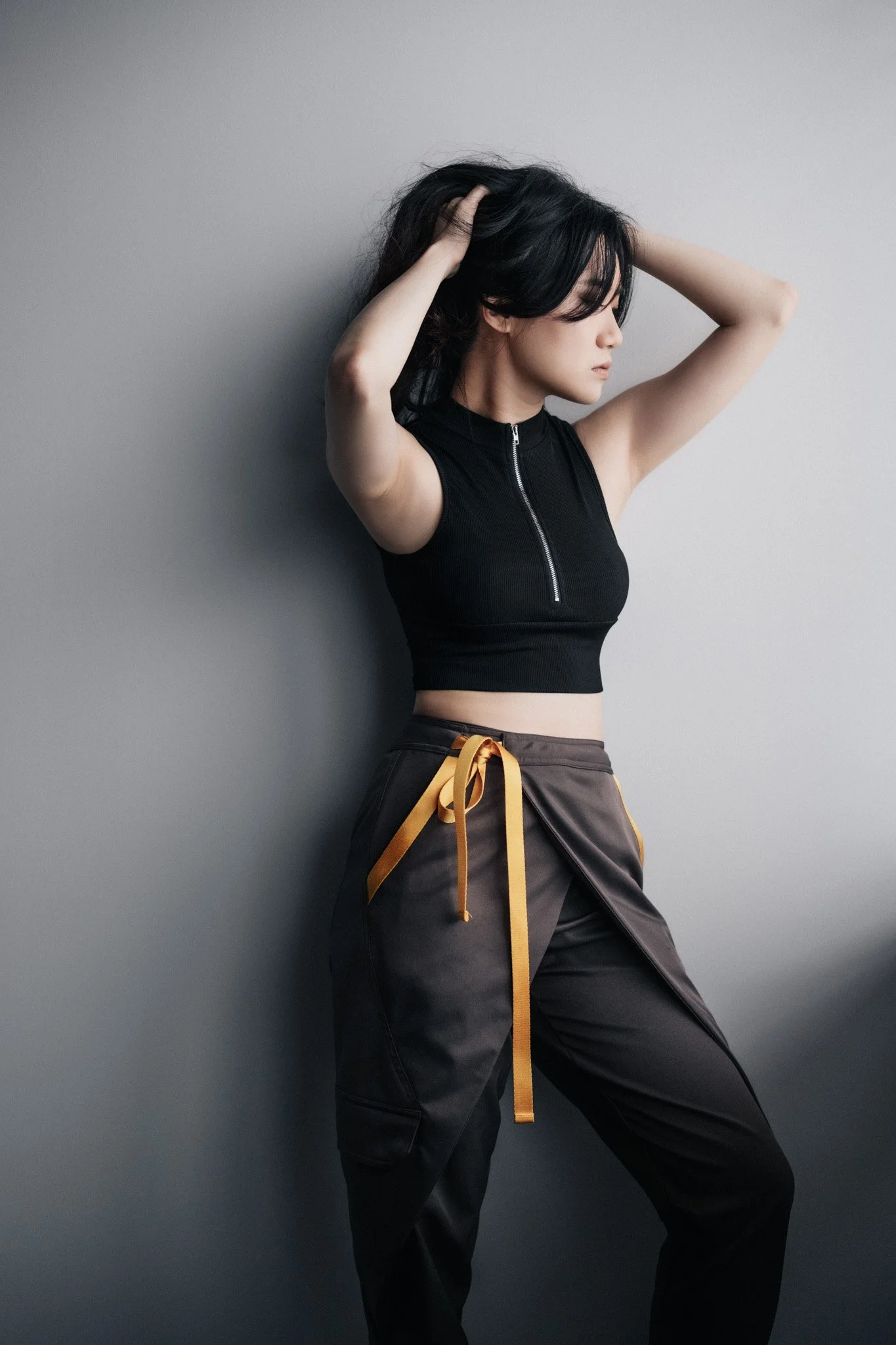
People familiar with my work often tell me they recognised one of my portraits before they realised it was mine. I hope that's because, over the years, I've developed a way of portraying people that has become recognisable in its own right. Every photographer eventually develops certain instincts—what they notice first, what they choose to emphasise and, just as importantly, what they choose to leave out. That way of seeing isn't separate from the work. Very often for a portrait photographer, it is the work.
So when someone comes to me for what they describe as "just a LinkedIn headshot", I don't really think of it that way. LinkedIn is simply where the photograph will be used. It should have absolutely no effect on how the portrait should be made. To me, every portrait that leaves my studio eventually becomes part of my body of work. Years from now, nobody will know whether it began with complete creative freedom or a folder full of references. They might not see my name beneath it. But I know in my heart that that’s still my work.
That's why I feel every portrait carries with them a certain responsibility. It doesn't just represent the person in front of my camera. It also represents the way I see them, the way I see the world, and the standards I'm willing to attach my name to.
Perhaps that's what we're really commissioning whenever we choose a creative…Not someone who can reproduce an idea we've already seen, but someone whose vision we trust enough to show us something we couldn't have imagined on our own.
After all, nobody will remember a remarkable meal because a chef followed some YouTube tutorial.
They remember it because no other chef could have created it.